
Practical Ways to Reduce Food Waste at Home
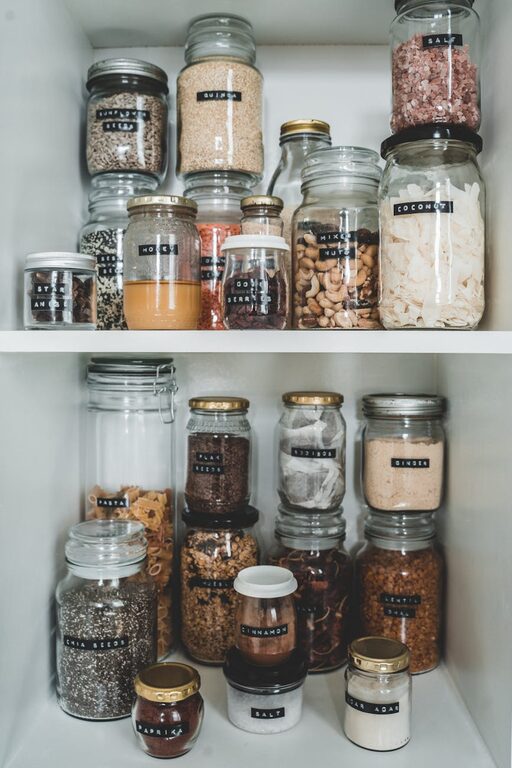
Reducing food waste at home is a win-win for your wallet and the planet. Every year, millions of tons of perfectly good food end up in the trash, contributing to environmental problems and wasting resources. The good news is that with a few simple changes to your routine, you can make a significant impact on how much food you throw away. In this post, we’ll explore practical ways to reduce food waste, from smarter shopping to creative cooking and proper storage.
Why Reducing Food Waste Matters
Before diving into tips, it’s helpful to understand why reducing food waste is important:
– Environmental impact: Food waste contributes to greenhouse gas emissions as it decomposes in landfills.
– Resource savings: It takes water, energy, and labor to produce food. Wasting food means wasting these resources.
– Economic benefits: Less waste means spending less money on food that ends up unused.
– Social responsibility: Reducing waste helps promote a more sustainable and equitable food system.
With that in mind, let’s look at easy ways to cut down on food waste in your home.
1. Plan Your Meals Ahead
Meal planning is one of the most effective ways to prevent waste. If you know what you’re going to cook each day, you can buy only the ingredients you need.
– Make a weekly meal plan.
– Check your fridge and pantry before shopping.
– Write a shopping list based on your plan and stick to it.
– Avoid impulse buys, especially perishable items.
2. Shop Smart and Mindfully
Being mindful at the grocery store helps you avoid buying excess food that might spoil before you use it.
– Shop with a list and avoid hunger-driven shopping.
– Buy loose produce so you can get exactly the quantity you need.
– Choose items with longer shelf lives when possible.
– Check expiration dates and prioritize products with later use-by dates.
3. Store Food Properly
Proper storage extends the life of your food and prevents premature spoilage.
– Keep your fridge at the right temperature (usually around 37°F or 3°C).
– Store fruits and vegetables separately if needed, as some release gases that speed ripening.
– Use airtight containers for leftovers and fresh items.
– Familiarize yourself with best storage methods for different foods (e.g., leafy greens wrapped in paper towels).
4. Understand Food Labels
Confusing labels cause many people to throw away food too soon.
– “Use by” or “best before” dates often indicate quality, not safety.
– Smell and look at food before discarding; often it’s still good after the date.
– Learn which foods can safely be frozen to extend shelf life.
5. Use Leftovers Creatively
Reinventing leftovers reduces waste and adds variety to your meals.
– Incorporate leftover vegetables into soups, stir-fries, or omelets.
– Turn stale bread into croutons or breadcrumbs.
– Use fruit nearing its peak for smoothies or baking.
– Make broths from vegetable scraps or bones.
6. Serve Smaller Portions
Serving large portions can lead to uneaten food on plates.
– Start with smaller servings and allow seconds if still hungry.
– Use smaller plates to help control portion sizes.
– Encourage mindful eating habits by focusing on hunger cues.
7. Compost Food Scraps
Not all waste can be avoided, but composting returns nutrients to the soil instead of polluting landfills.
– Use a kitchen compost bin for vegetable peels, coffee grounds, and eggshells.
– Research local composting programs or start a backyard compost pile.
– Avoid composting meat, dairy, or oils which can attract pests.
8. Donate Surplus Food
If you have extra non-perishable food items you won’t use, consider donating them to local food banks or shelters.
– Keep an eye on foods with a long shelf life you won’t eat soon.
– Check guidelines for donations in your area.
– Encourage sharing excess food with friends or neighbors.
9. Educate Your Household
Reducing food waste is easier when everyone in the household is involved.
– Teach family members how to store food properly.
– Share recipes for leftovers.
– Make it a fun challenge to waste less each week.
Summary
Reducing food waste at home is achievable with a few thoughtful habits. Plan your meals, shop wisely, store food properly, and get creative with leftovers. Not only will you save money, but you’ll also contribute to a healthier planet. Remember, small changes add up to big results!
Try implementing one or two of these tips this week and see how they work for you. Happy cooking and waste-free living!